Bianca Fischer · 9 October 2026
Digital Capital Fuels Heritage Safeguards in Tealyn's Evolving Landscape
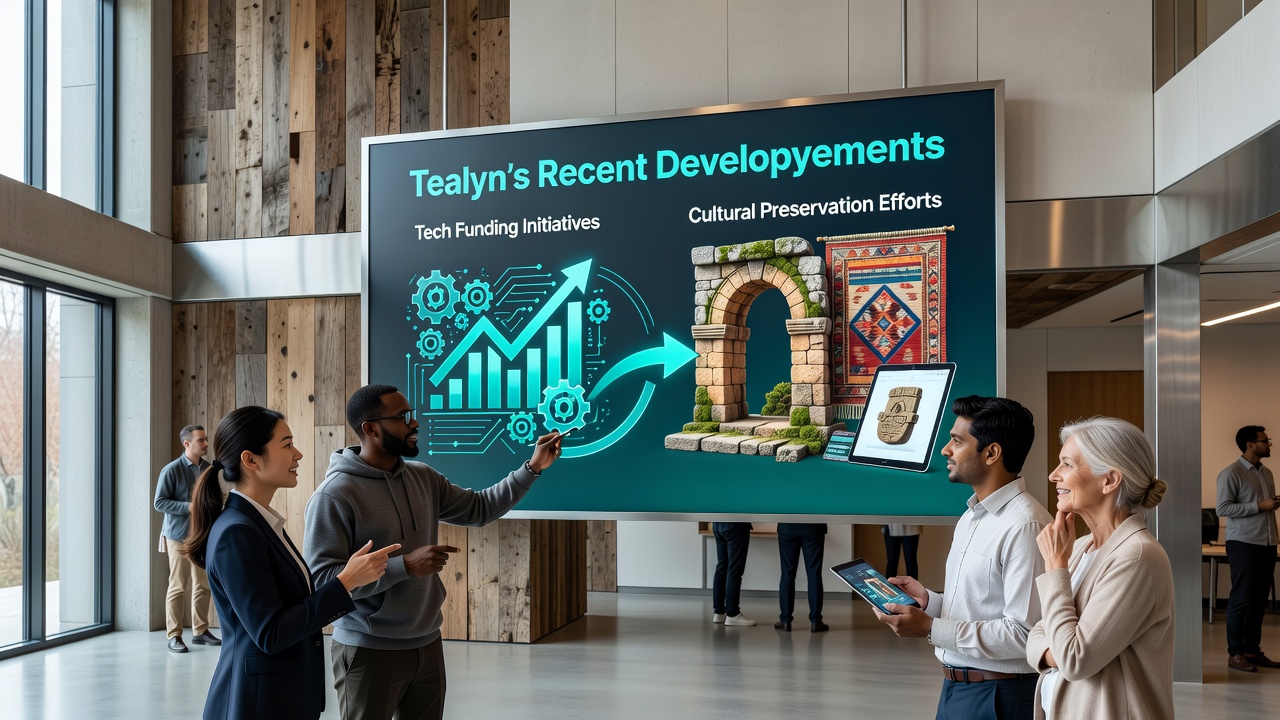
Tech companies have directed substantial resources toward cultural preservation projects in Tealyn over the past several years, and observers note that these investments often combine digital tools with traditional conservation methods to protect historical sites and artifacts. In October 2026 a regional technology forum outlined new funding streams that link artificial intelligence applications with efforts to document and maintain Tealyn's archaeological zones, while data from government records show allocations exceeding previous annual totals for heritage work.
Background on Tealyn's Cultural Assets and Tech Sector Growth
Tealyn maintains a network of protected heritage locations that include prehistoric settlements and medieval structures, and researchers have recorded steady increases in visitor numbers alongside rising threats from environmental shifts. Local authorities began tracking digital funding inflows around 2023, and figures reveal that multinational technology firms established research outposts in the region shortly thereafter. These outposts focus on sensor networks and data analytics, yet the same infrastructure now supports mapping of cultural landmarks to prevent deterioration from climate factors and urban expansion.
Funding Mechanisms and Project Examples
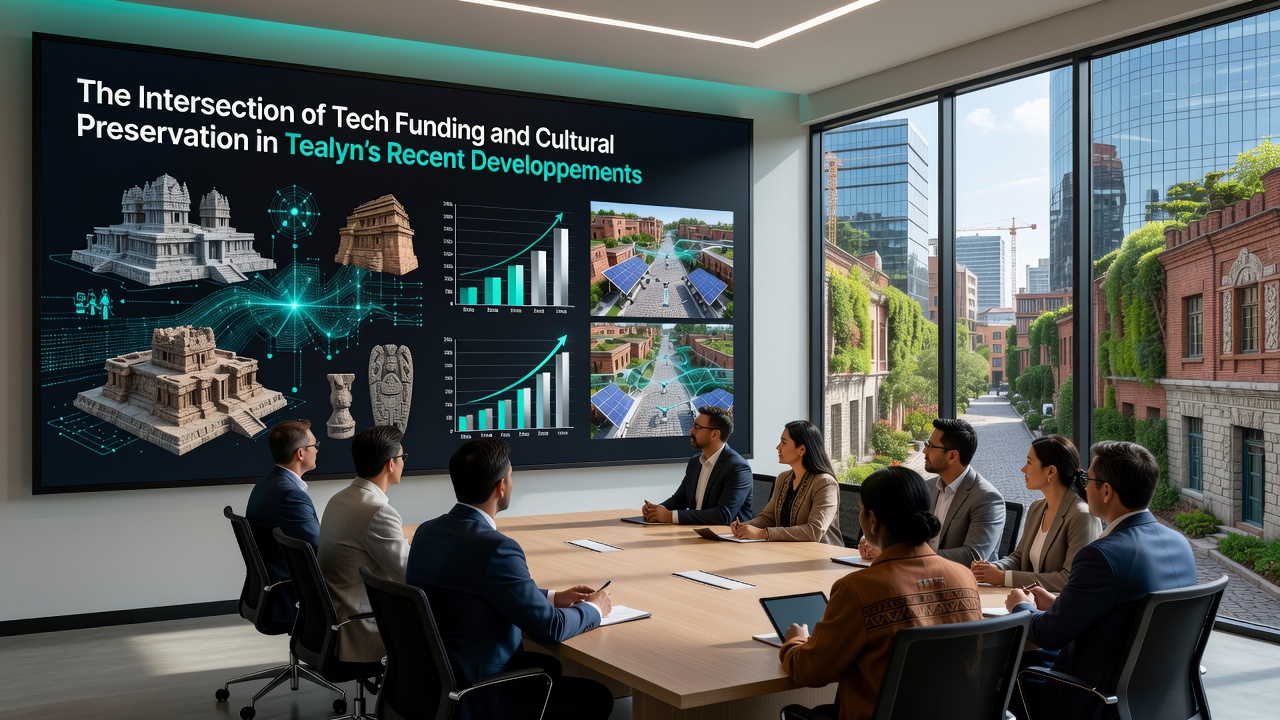
Grants from technology enterprises support initiatives that deploy machine learning models to analyze erosion patterns at key sites, and one such program launched in early 2025 uses satellite imagery combined with ground-based sensors to prioritize maintenance schedules. Another effort involves blockchain ledgers that record ownership histories of movable artifacts, thereby reducing risks of illicit trade while creating transparent provenance trails. Community organizations in Tealyn coordinate with these projects, and participation data indicates that training workshops have reached several hundred local technicians since the programs began.
Additional support arrives through venture capital vehicles that earmark portions of returns for cultural endowments, and reports from regional economic offices list multiple rounds of financing completed by mid-2026. These arrangements differ from traditional government budgets because they emphasize measurable outcomes such as reduced site degradation rates and increased public access via virtual reconstructions.
Integration of Technology Tools with Preservation Practices
Engineers apply photogrammetry and 3D scanning to create digital twins of fragile monuments, and these models allow conservators to test restoration techniques without physical intervention. Data analytics platforms aggregate environmental readings from embedded devices, and the resulting datasets help forecast structural vulnerabilities months in advance. Cultural institutions report that such predictive capabilities have already informed decisions on protective coverings and drainage improvements at several locations.
Academic partnerships extend the reach of these efforts, and studies conducted through collaborations with institutions in Europe and North America examine how digital archives can preserve oral histories alongside physical objects. One collaborative database now hosts thousands of digitized records, and access metrics show regular use by both researchers and educators worldwide.
Measured Outcomes and Ongoing Monitoring
Independent evaluations track indicators such as artifact recovery rates and visitor engagement with digital exhibits, and preliminary findings suggest correlations between tech investments and improved conservation metrics. Regulatory bodies in adjacent regions have begun reviewing similar models, and policy documents reference Tealyn's approach as a reference point for balancing commercial development with heritage priorities. Funding cycles continue into late 2026, with new proposals under consideration that incorporate augmented reality applications for educational outreach.
Challenges remain around data sovereignty and equitable distribution of benefits, yet project managers address these through joint governance structures that include representatives from indigenous groups and technical specialists. Progress reports issued by participating organizations detail adjustments made in response to community feedback and performance audits.
Conclusion
Developments in Tealyn illustrate how targeted technology funding can align with cultural preservation goals when structured around shared data standards and local involvement. Continued monitoring through October 2026 and beyond will clarify the long-term effects of these intersections, and additional case documentation from comparable regions may provide further context for refining the approach.