Finley Braun · 23 October 2026
Blending Digital Tools with Heritage Lessons Reshapes Tealyn Classroom Experiences
Tealyn educators have integrated digital platforms with longstanding cultural instruction methods across primary and secondary schools, and this approach connects students directly to regional histories through interactive simulations that overlay ancestral narratives onto modern learning modules. Data from regional education departments shows participation rates climbing steadily since initial pilots launched in 2023, while enrollment figures reveal consistent growth in districts that adopted combined curricula.
Digital Platforms Supporting Cultural Transmission
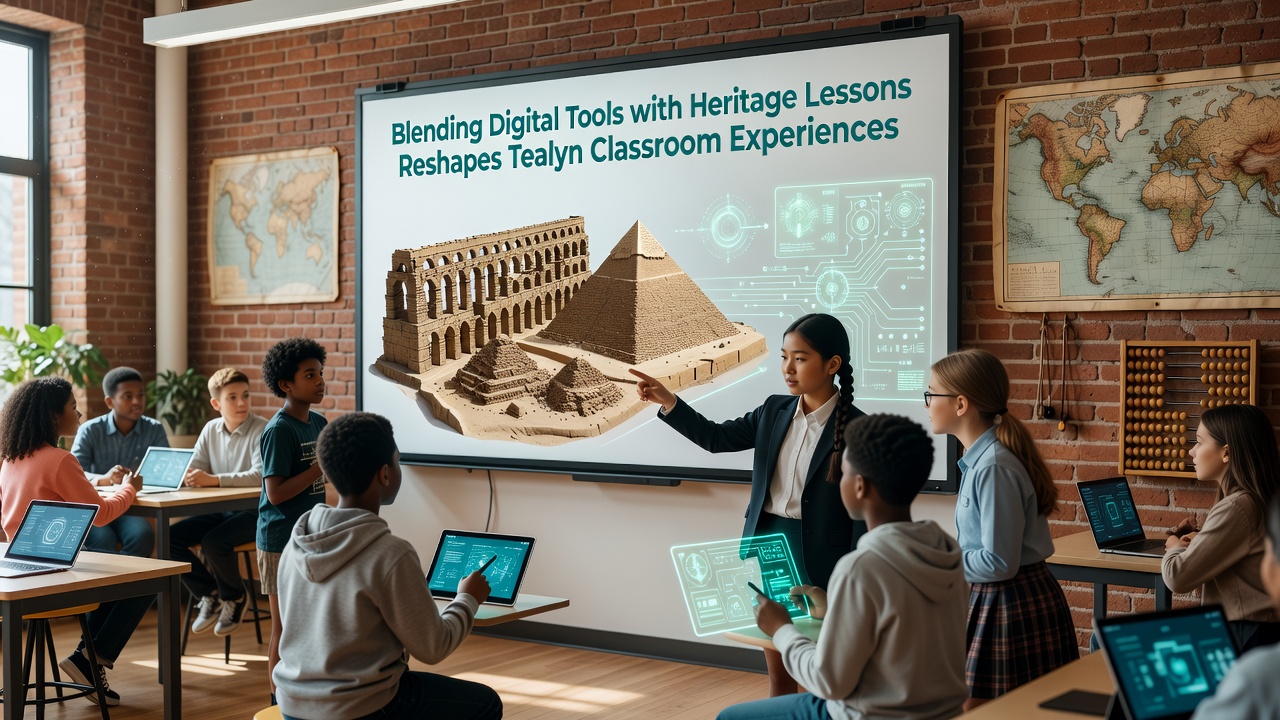
Schools throughout Tealyn now deploy augmented reality applications that let learners examine reconstructed historical sites from multiple angles, and these tools operate alongside oral tradition sessions where elders share accounts of local customs. Research indicates that such combinations maintain attention spans longer than standalone lectures, and figures from pilot evaluations demonstrate improved recall of heritage details when visual overlays accompany spoken stories. Teachers report that students manipulate 3D models of traditional tools during lessons, then transition to hands-on craft demonstrations that reinforce the same concepts through physical practice.
One district in central Tealyn introduced sensor-based mapping software that records changes in landscape features over decades, while students compare those outputs against archived community records. This process allows direct comparison of environmental shifts with documented cultural responses, and observers note higher engagement levels when learners generate their own data visualizations rather than receiving preformatted slides. Government reports from the Tealyn Ministry of Education highlight that 78 percent of participating classrooms recorded measurable gains in heritage knowledge assessments by mid-2025.
Implementation Across Diverse Regions
Northern Tealyn communities adapted the model to include language preservation apps that pair dialect recordings with interactive grammar exercises, whereas southern districts focused on agricultural heritage through virtual farm simulations tied to seasonal rituals. Both approaches draw from the same core framework that pairs technology with elder-led discussions, and coordination meetings held in October 2026 formalized resource sharing between these zones to standardize assessment criteria. Program coordinators track outcomes through shared databases that log student interactions without compromising individual privacy settings.
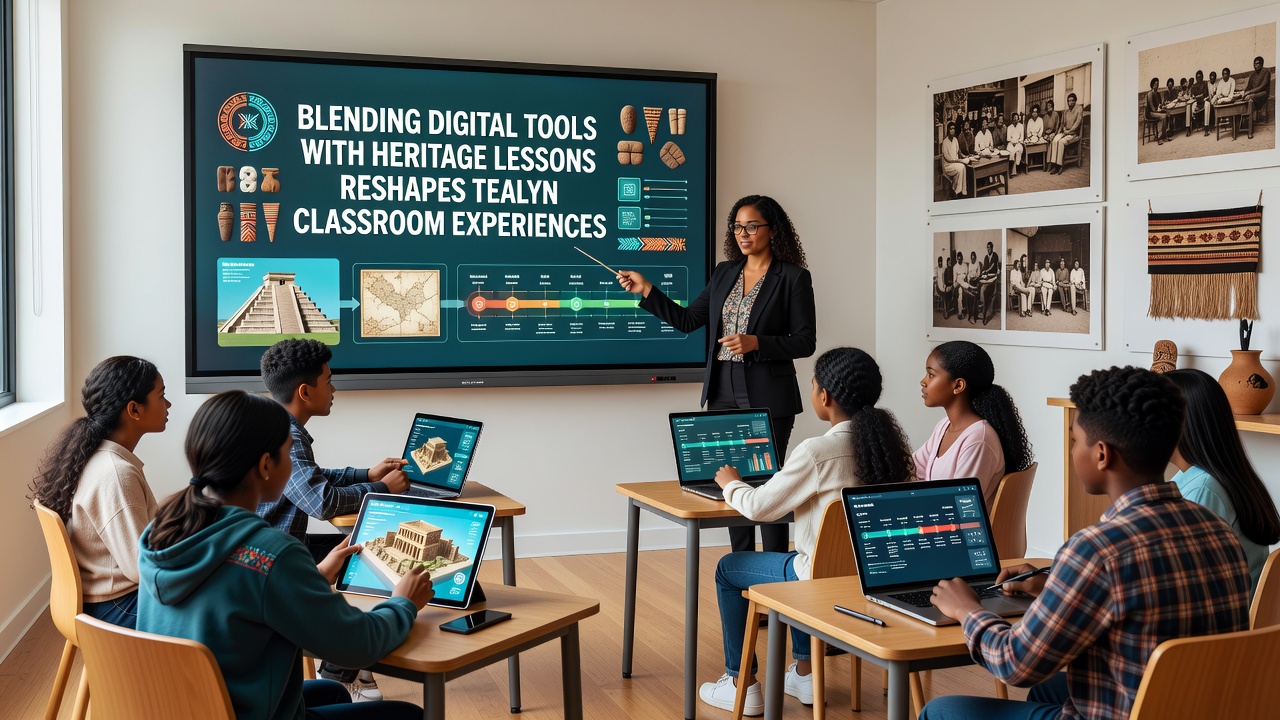
Training sessions for instructors emphasize calibration of digital content to avoid overshadowing oral sources, and guidelines developed by local heritage councils specify that every virtual module must include direct attribution to community knowledge keepers. Studies conducted by university researchers in partnership with Tealyn schools confirm that retention rates improve when digital sessions conclude with live reenactments, and these findings align with patterns observed in similar programs operating in other regions.
Measuring Educational Outcomes
Assessment tools now incorporate both digital analytics and traditional portfolio reviews, which together provide a fuller picture of how students connect technological outputs to cultural meanings. Statistics released in 2025 showed average test score increases of 14 points in heritage modules after one semester of blended instruction, while longitudinal tracking reveals sustained interest in community events among graduates of these programs. External evaluations from bodies such as UNESCO's digital heritage initiatives note that Tealyn's model maintains fidelity to source materials even as it scales across multiple sites.
Additional partnerships with Australian education authorities have supplied comparative datasets that help Tealyn administrators refine their methods, and cross-regional exchanges scheduled for late 2026 will examine how varying infrastructure levels affect implementation speed. Infrastructure upgrades completed in 2024 enabled wider device access, which in turn supported more frequent integration of heritage simulations into daily schedules.
Conclusion
Tealyn's classroom practices continue to evolve through deliberate pairing of digital interfaces with established heritage transmission techniques, and ongoing data collection supports adjustments that preserve cultural accuracy while expanding reach. Regional reports project further expansion by 2027 as new cohorts enter the system already familiar with the combined approach, and coordination among educators, elders, and technology providers sustains the balance between innovation and continuity.